
7 Ways to Quickly Build Leadership Skills Before Your First Promotion
May 18, 2026



Taking on a new role often brings a mix of excitement and uncertainty, especially when you want to make a strong impression from the start. Even without an official title, you can demonstrate leadership every day through your actions and attitude. Developing qualities such as clear communication, reliability, and a willingness to support your team will help you earn respect and trust. When you consistently show initiative and handle challenges with a positive outlook, you naturally set yourself apart. These habits not only boost your daily performance but also position you for future opportunities and career growth within your organization.
In this guide, you’ll find clear steps designed for someone just beginning their career journey. Each idea can slot into your schedule, whether you’re at a part-time job, internship, or full-time position. You’ll discover ways to grow your voice, build trust with coworkers, and take charge of small projects that lead to big changes.
These qualities act like building blocks under a bridge. Each one adds strength. When you demonstrate integrity, curiosity, reliability, and empathy, you prove you can handle more responsibilities.
Work on one quality at a time. Pick a single trait each week and practice it. Write down small wins in a notebook. Over a month, revisit those notes. You’ll see how far you’ve come.
Clear speech earns respect. When teammates understand your ideas quickly, they trust your direction. That trust matters more than fancy language.
Use everyday moments to improve this skill. Lead a quick check-in at a team huddle. Send clear updates in chat apps. Over time, speaking confidently will become second nature.
Confidence increases as you see progress. Find small tasks where you can take the lead. Maybe it’s running a weekly meeting or designing a flyer for an event. Each time you finish a simple project, you prove to yourself that you can handle more.
Write down every achievement, no matter how small. Seeing a list of completed tasks can boost your mood and belief in your abilities. When doubts creep in, look at that list and remind yourself of what you’ve accomplished.
Regular feedback acts as a roadmap. It shows what to repeat and what to change. This cycle helps you advance faster.
Take notes during mentor meetings. Later, review them to keep those insights fresh. Over time, you’ll notice recurring themes that highlight where to focus your energy.
Look around for gaps at work or within groups you belong to. Maybe no one updates the team’s social feed or organizes birthday celebrations. Volunteer to take on those roles. Leading a small effort demonstrates initiative.
Manage a mini-project from start to finish, such as designing a simple survey to gather team feedback. Draft questions, collect answers, and share the results in a quick email. That end-to-end work reflects real leadership tasks.
You might feel unsure of yourself when tasks seem overwhelming. Break large goals into smaller steps you can accomplish in a few hours. Checking off small items keeps your progress steady.
Time management can also be tricky at first. Use a timer to work in focused periods, such as 25 minutes on a task followed by a 5-minute break. Those intervals help keep you fresh and productive.
Office politics can sometimes feel confusing. Observe how experienced coworkers handle disagreements or resource conflicts. Use their respectful phrases and adapt them to your style.
Build your leadership skills early by practicing communication, seeking feedback, and handling small projects. Start now and track your progress to increase your confidence for future opportunities.

Starting out in a new profession often brings a mix of excitement and uncertainty, as you try to figure out which direction to take. The choices you make early on can...
Jul 05, 2026

Many people hesitate to reconnect with former classmates, yet a simple, genuine message often leads to meaningful conversations that open new doors in your career. Begin...
Apr 15, 2026

Preparing for a virtual performance review often brings a mix of anticipation and nerves. You aim to highlight your accomplishments while making a strong impression on...
Jul 01, 2026

Long stretches in front of screens often pass by unnoticed. Many people believe they can manage their device use, only to realize that time has vanished and unfinished...
May 12, 2026

Many people feel a rush of nerves when they enter a room full of candidates, all eager to impress. The challenge lies in making a positive impression while showing...
May 27, 2026

Many people see just their outward appearance when glancing at their reflection, but confidence takes root much deeper. Lasting self-assurance comes from practicing...
Apr 11, 2026

Setting aside even a small amount of money often seems impossible when every paycheck goes straight to rent, bills, and groceries. Still, having some savings on hand...
Mar 27, 2026

Beginning therapy on your own may seem unfamiliar and a bit overwhelming at first. Questions often arise about how to get started, which methods will suit you best, and...
Jun 15, 2026

Crafting a memorable presence begins with recognizing the qualities that set you apart from others. Your unique combination of skills, core values, and life experiences...
Jun 28, 2026

Life takes on a new rhythm after classes finish and the campus grows quiet. As workdays replace study sessions, friendships sometimes drift apart and daily routines...
May 09, 2026
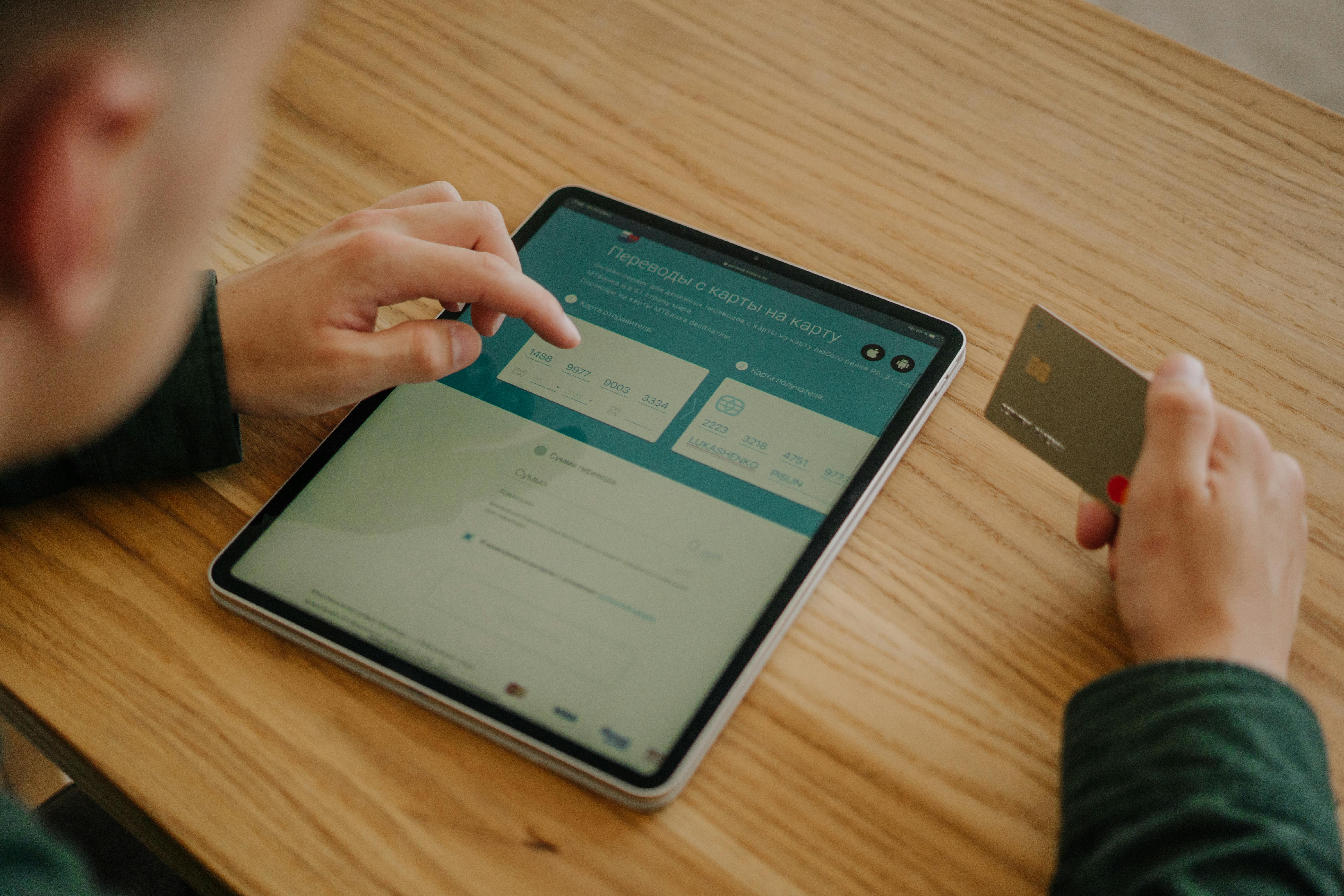
Establishing a strong credit profile takes patience and steady action, but each step brings you closer to greater financial opportunities. By making timely payments and...
Jun 02, 2026

Choosing your first car often brings a mix of excitement and nerves. Finding a vehicle that is dependable, safe, and affordable becomes a top priority during this...
May 02, 2026

Balancing your finances carefully opens up plenty of room for enjoyment and personal interests, even when money feels limited. You can savor days out, explore new...
Jun 10, 2026

Many people want to make the most of a night out while still keeping their finances on track. You can have fun and still make steady progress toward your financial goals...
Jul 10, 2026