
How to Maximize Savings When Moving Into Your First Apartment
Aug 19, 2026



Choosing your first car often brings a mix of excitement and nerves. Finding a vehicle that is dependable, safe, and affordable becomes a top priority during this important decision. With so many options available, it helps to have a clear idea of what to look for and how each part of the process unfolds. From budgeting and researching models to test driving and finalizing the purchase, each stage deserves careful attention. This guide breaks down every step in a straightforward way, helping you move forward with confidence and a clear understanding of what’s involved from start to finish.
By breaking tasks into clear steps, you’ll build confidence and make smart choices. You’ll learn how to set a budget, explore payment methods, research models, and cover ongoing costs. Each tip aims to simplify complex points and help you move forward with a clear plan.
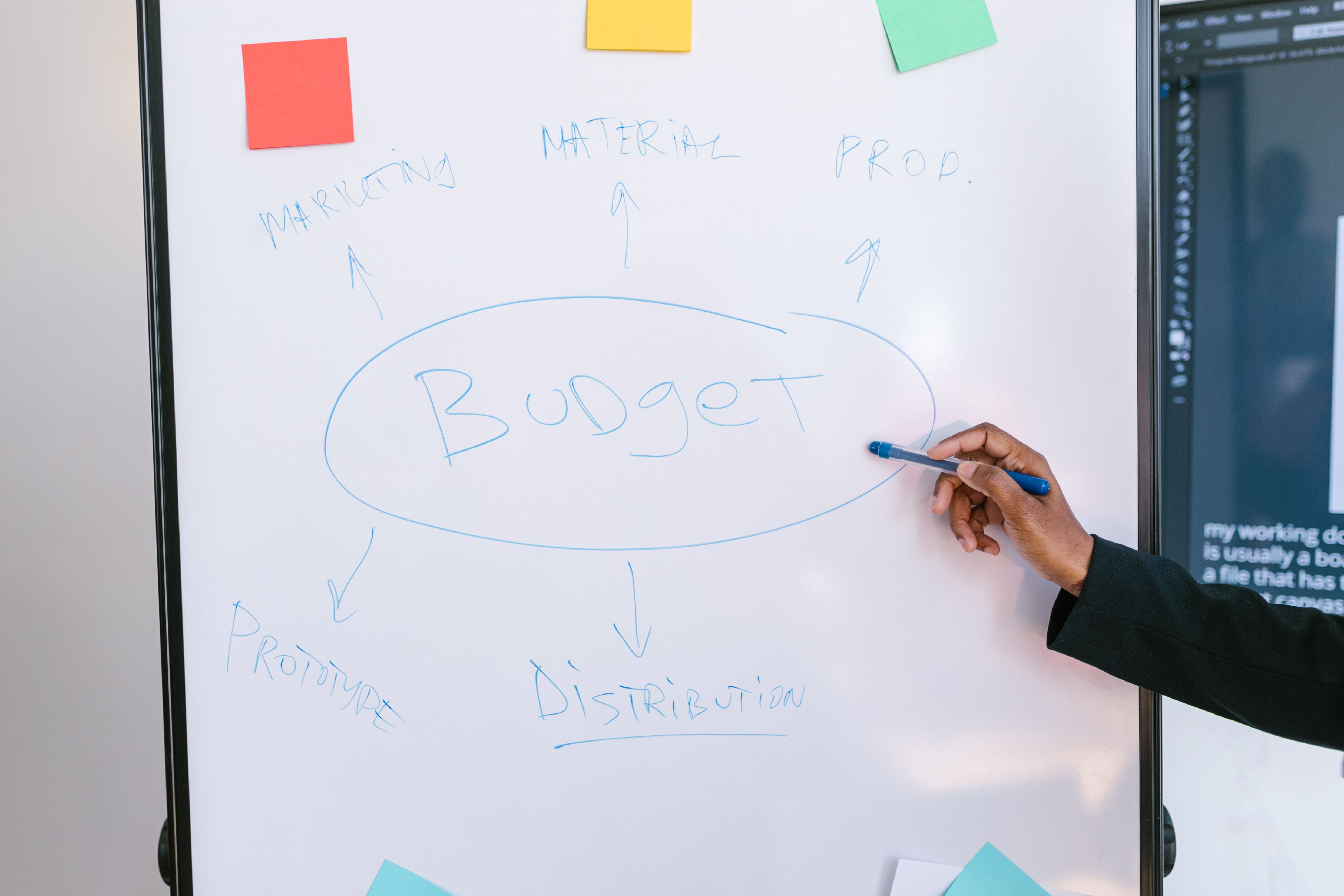
Understanding where your money goes each month gives you a realistic view of what you can afford. Look at your bank statements and track expenses over a few weeks. Separate essentials like rent and bills from flexible costs like entertainment or subscriptions.
Once you see the big picture, set a target price range that feels comfortable. Focus on monthly payments first, then work backward to a total price. This keeps you from stretching your budget too thin.
A solid down payment reduces loan amounts and lowers monthly fees. Aim for at least 10% of the car's price to start. Even a modest cushion can make a big difference when you factor in interest rates.
Create a dedicated saving plan by opening a separate account just for your down payment. Automate a small transfer each payday to build momentum. Celebrating small wins—like reaching half your goal—keeps you motivated.
Choosing the right payment path shapes your costs over time. Loans, leases, and payment plans each come with pros and cons. Compare offers from banks, credit unions, and dealership finance departments.
Watch out for hidden fees like origination charges or early repayment penalties. Read contracts carefully and ask questions until you feel clear on every term. Transparency today saves headaches down the road.
With a budget and payment plan in place, explore models that match your needs. List the features you value most: fuel efficiency, cargo space, crash-test ratings. Cross off any model that falls outside your price range.
Use trusted sites like CarMax or Edmunds to compare prices and read owner reviews. Take notes on average mileage, common repairs, and resale values. Visiting local lots lets you test drive and check condition up close.
Insurance often surprises first-time buyers. Ask your agent which factors most affect rates, such as age, location, and safety features. Getting quotes on a few models helps you avoid last-minute sticker shock.
Routine upkeep like oil changes and tire rotations adds up over time. Estimate annual service costs and include them in your budget. Learn basic DIY tasks—checking fluid levels, swapping wiper blades—to save on minor services.
Every step brings you closer to the keys in your hand. Preparing carefully helps you make clearer decisions and secure better deals.

Beginning therapy on your own may seem unfamiliar and a bit overwhelming at first. Questions often arise about how to get started, which methods will suit you best, and...
Jun 15, 2026
Landing your first job offers newfound independence and a steady paycheck, making it the perfect time to build healthy financial habits. Learning how to manage money...
Aug 16, 2026

Selecting an employee benefits package often influences your financial well-being well into the future. Starting a new position brings a wave of new information,...
May 23, 2026

Many people want to make the most of a night out while still keeping their finances on track. You can have fun and still make steady progress toward your financial goals...
Jul 10, 2026
Balancing your finances carefully opens up plenty of room for enjoyment and personal interests, even when money feels limited. You can savor days out, explore new...
Jun 10, 2026

Finding purpose at work starts when you understand what genuinely excites and drives you. Consider the activities that capture your attention and the projects where you...
Aug 09, 2026

Securing your first freelance project brings a rush of accomplishment—finishing the job and receiving payment is a milestone worth celebrating. To go beyond that early...
Aug 05, 2026

Taking initiative early in your career helps you notice opportunities to help and guide those around you. You can start acting like a leader even without a formal title...
May 18, 2026

Many people start a side project that grows from a personal interest or talent—like designing hand-painted mugs after work, offering math help on *TutorMe* , or picking...
Jul 21, 2026

Sharing a home with friends often brings concerns about splitting bills and handling chores. When everyone understands their responsibilities from the start, daily life...
Jun 06, 2026

Finding ways to stay active while managing expenses can seem challenging, but you can achieve your fitness goals without spending a lot of money. You don't have to rely...
Jun 24, 2026
Establishing a strong credit profile takes patience and steady action, but each step brings you closer to greater financial opportunities. By making timely payments and...
Jun 02, 2026

Life sometimes throws unexpected challenges our way, making it tough to find your footing again. Taking small, consistent steps can make the process of recovery feel...
Jun 21, 2026
Many people face challenges when searching for affordable therapy, particularly when juggling work, school, or family responsibilities. Questions often come up about the...
Aug 02, 2026