
The Best Ways to Find Purpose in Your Early Career Path
Jul 05, 2026



Taking initiative early in your career helps you notice opportunities to help and guide those around you. You can start acting like a leader even without a formal title by creating positive daily habits and exploring different tasks. As you build your confidence and demonstrate your ability to take on greater responsibility, others will begin to recognize your potential. These efforts can put you in a strong position for future promotions or job offers, giving you an advantage as your career develops. Standing out comes from showing what you can do, not just waiting for a new title or a raise.
Each suggestion below focuses on clear, doable steps. You can begin putting these ideas to work right away—no special training required. As you practice, you’ll notice how simple shifts in mindset and daily actions add up to real leadership growth.
Watch how experienced colleagues handle challenges, communicate goals, and help teammates. Notice their tone in meetings, the way they listen to concerns, and how they offer praise. Pay attention to tone of voice, body language, and the words they choose.
Pick one behavior to try each week. If someone consistently gives clear feedback, practice doing the same in your next project. If another teammate stays calm under stress, study their habits and apply them when you face tight deadlines.
Starting with low-pressure tasks helps you practice decision-making and coordination. When you take the lead, you’ll feel more comfortable.
Each of these mini-roles builds your confidence in rallying others. You’ll learn how to set clear goals, keep people on track, and follow up on tasks. These experiences also give you real examples to share when you discuss promotions during reviews.
Work on one skill at a time. If active listening feels new, try it throughout your next meeting. Notice how people respond when you really tune in. Once you see the difference, add clear communication exercises in your emails or chats.
Identify someone you respect—this could be a peer, a senior, or an external advisor. Send a short message asking for a half-hour catch-up. Frame it as a chance to learn rather than a formal evaluation.
During the conversation, ask open questions like, “What skills should I sharpen to support our team better?” or “Which decisions did I handle well, and where can I improve?” Take notes and set a simple action plan based on their advice.
Set up small challenges with clear deadlines. For example, choose a quick task—like drafting a two-page summary in 30 minutes. Track how you decide what to include, where you might stall, and how you prioritize.
Next, review your choices. Did you focus on the most critical points? How could you speed up the process? Repeating this drill builds mental agility and helps you stay calm when bigger decisions land on your desk.
Every week, reserve five minutes to write down one success and one lesson learned. Use a simple tool like *Evernote* or a paper journal—whatever feels easiest.
Seeing your wins on paper boosts motivation. Noting lessons helps you avoid repeating mistakes. Over a month, you’ll gain a clear map of how far you’ve come and which areas deserve extra focus.
Reach beyond your immediate group and join cross-functional projects. If you work in marketing, offer to help with product tests. If you’re in sales, sit in on a design review. These experiences broaden your view and sharpen your ability to work with diverse skills.
As you connect different groups, notice how they solve problems. Adopt useful practices and introduce people who haven’t met before. Showing you can bring different perspectives together demonstrates strong leadership potential.
Follow these steps to build authentic leadership habits and prepare for future opportunities. Practice consistently and stay curious to improve your ability to lead when the time comes.

Finding purpose at work starts when you understand what genuinely excites and drives you. Consider the activities that capture your attention and the projects where you...
Aug 09, 2026
Preparing for a virtual performance review often brings a mix of anticipation and nerves. You aim to highlight your accomplishments while making a strong impression on...
Jul 01, 2026

Many people want to make the most of a night out while still keeping their finances on track. You can have fun and still make steady progress toward your financial goals...
Jul 10, 2026

Crafting a memorable presence begins with recognizing the qualities that set you apart from others. Your unique combination of skills, core values, and life experiences...
Jun 28, 2026
Balancing your finances carefully opens up plenty of room for enjoyment and personal interests, even when money feels limited. You can savor days out, explore new...
Jun 10, 2026

Busy schedules often make it difficult to prepare healthy dinners while sticking to a budget. After long hours at work or school, cooking can seem overwhelming and may...
Aug 30, 2026

Many people feel a rush of nerves when they enter a room full of candidates, all eager to impress. The challenge lies in making a positive impression while showing...
May 27, 2026

Finding ways to stay active while managing expenses can seem challenging, but you can achieve your fitness goals without spending a lot of money. You don't have to rely...
Jun 24, 2026
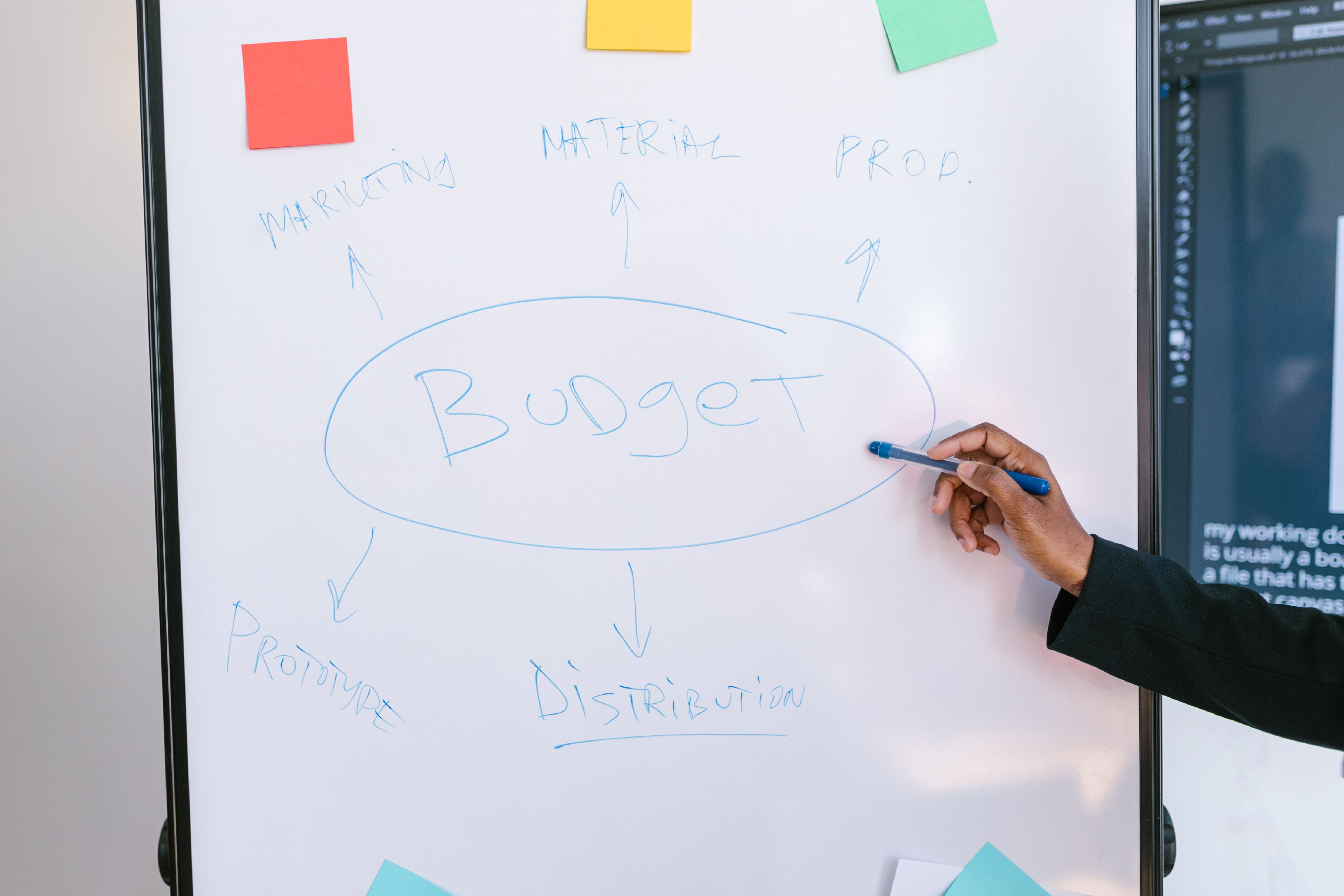
Landing your first job offers newfound independence and a steady paycheck, making it the perfect time to build healthy financial habits. Learning how to manage money...
Aug 16, 2026

Beginning therapy on your own may seem unfamiliar and a bit overwhelming at first. Questions often arise about how to get started, which methods will suit you best, and...
Jun 15, 2026
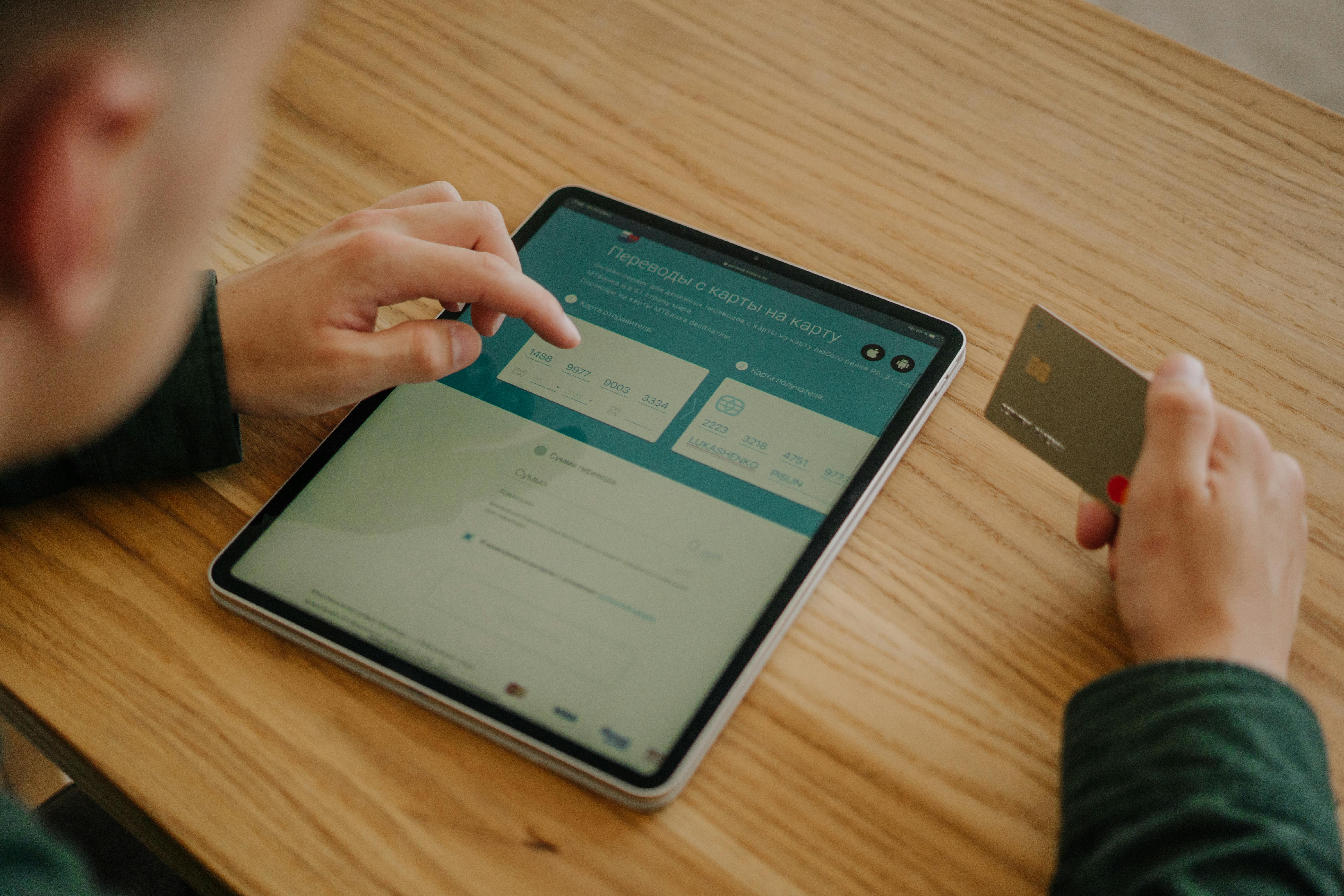
Establishing a strong credit profile takes patience and steady action, but each step brings you closer to greater financial opportunities. By making timely payments and...
Jun 02, 2026

Many people start a side project that grows from a personal interest or talent—like designing hand-painted mugs after work, offering math help on *TutorMe* , or picking...
Jul 21, 2026

Securing your first freelance project brings a rush of accomplishment—finishing the job and receiving payment is a milestone worth celebrating. To go beyond that early...
Aug 05, 2026

Selecting an employee benefits package often influences your financial well-being well into the future. Starting a new position brings a wave of new information,...
May 23, 2026