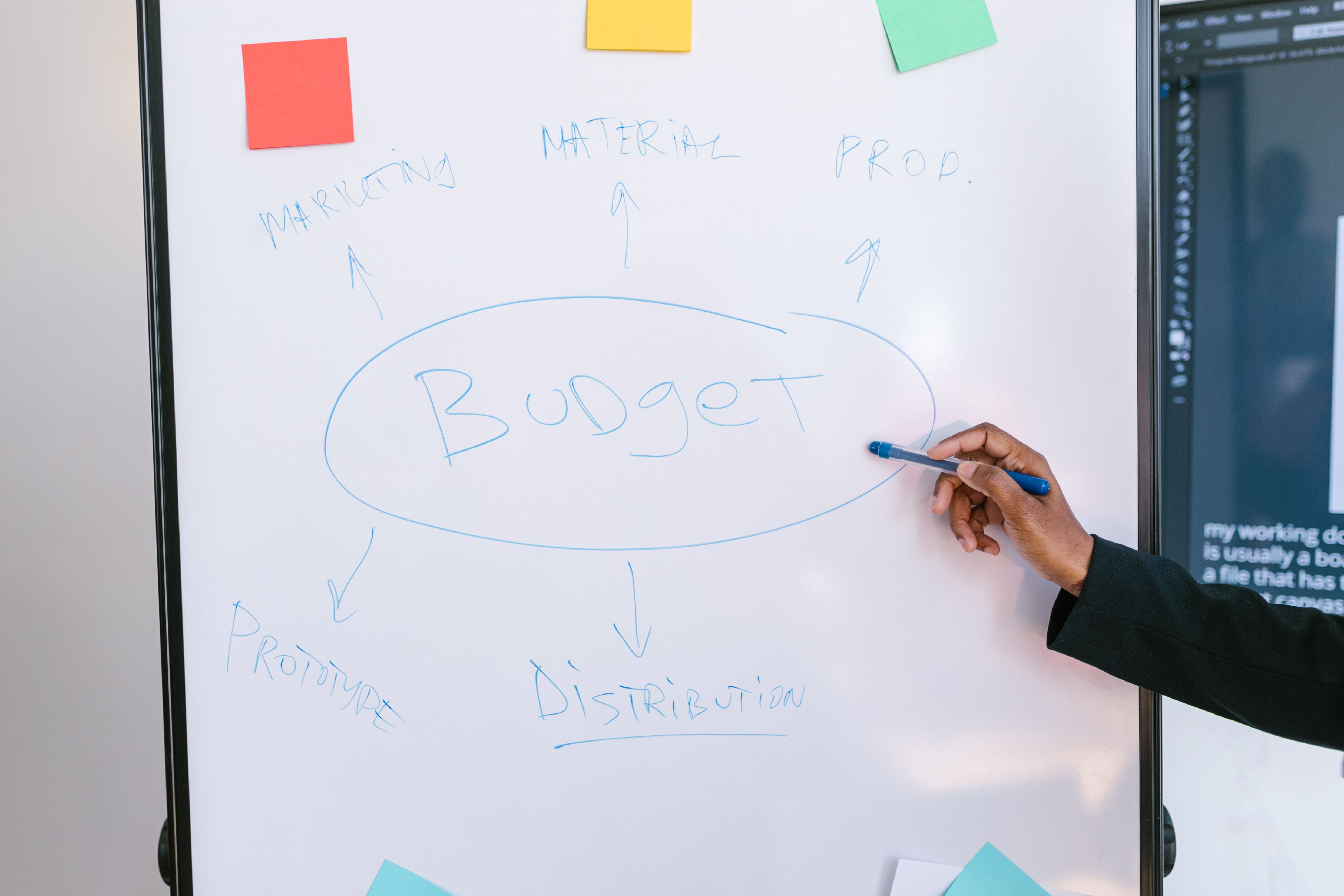
5 Budgeting Habits That Make First-Time Earners Financially Secure
Aug 16, 2026



Setting up a basic safety net becomes much easier when you follow straightforward steps and stay focused on your goal. Saving a small amount each week can quickly make a noticeable difference, helping your savings grow steadily over time. When you set a specific target, monitor your income and expenses, and look for simple ways to increase your savings, you will start to see real progress. This approach includes practical tips, real-life examples, and helpful reminders to keep you motivated as you continue building your financial cushion. Following these methods can help you feel more secure and confident about your financial future.
As you read through each part, you’ll find specific actions you can take right now. You don’t need a big paycheck or fancy tools. A smartphone, a spreadsheet, or a pen and paper will work. Let’s get started so you can build your emergency fund faster than you might think.
Choosing a clear savings goal gives you a target to aim for. It keeps you motivated and makes it easier to measure progress. Think about what feels realistic based on your current income and expenses.
Most experts suggest saving enough to cover one to three months of essential bills. If rent and utilities cost $800 each month, start with $800 and then work toward $1,600 and $2,400. Adjust the goal depending on your comfort level and schedule.
Follow these steps to set a goal you can reach:
Knowing exactly how much money comes in and where it goes helps you find extra dollars to save. This step uncovers small leaks in your budget that add up fast.
Start by reviewing your last three bank statements or pay stubs. Note every source of income and every expense. You’ll see patterns like recurring subscriptions or daily coffee runs.
Track every dollar for a month. Use a simple spreadsheet or a free app like Mint or Acorns. Seeing your spending in black and white gives you the insight you need to divert funds into savings.
Once you understand your cash flow, choose one or two tactics that fit your lifestyle. Keep them simple so you stay committed.
If you eat out often, cook at home two extra nights each week. If your phone plan includes data you don’t use, switch to a lower tier. Each step might save you $20 to $50 weekly, totaling $80 to $200 each month.
Consider these practical ideas:
Automate a fixed amount to save first, then spend what’s left. Challenge yourself to a “no-spend weekend” once a month. Sell items you no longer use online or at a local market. Each move cuts unnecessary costs and speeds up your savings growth.
Arrange automatic transfers to remove guesswork. You won’t need to remember to move money each pay period. It happens automatically.
Log into your bank account and find the option for scheduled transfers. Choose a small, steady amount—like $25 or $50—immediately after each paycheck arrives. Treat this transfer like a bill you must pay.
If possible, open a separate savings account. Many banks let you nickname accounts, so you might call this one “Emergency Fund.” Putting that money away from your checking account makes you less tempted to spend it.
When you want to speed up your savings beyond your usual efforts, try these creative options. They can bring in extra cash faster than cutting everyday expenses.
Even small side gigs can bring in $50 to $150 extra each month. Deposit all of it directly into your emergency account.
You will encounter weeks when saving feels slow or unexpected bills come up. That’s okay—leave room for flexibility. If you fall short one week, add a bit more the next week or make up the difference with a side task.
Review your progress each month. Celebrate when you reach 25%, 50%, and 75% of your goal. Use simple rewards: a favorite snack or a movie night at home. Small wins boost your confidence and keep you moving forward.
As your income or expenses change, adjust your weekly target. If you get a raise or take on another shift, increase the transfer amount. If you face extra costs, temporarily reduce your transfer but aim to resume full savings as soon as possible.
Most importantly, be patient. It takes time to build an emergency fund, but each deposit gets you closer to financial peace of mind.
Set a goal, track your money, and automate transfers to build your emergency fund quickly. Take action today and see your safety net grow.
Balancing your finances carefully opens up plenty of room for enjoyment and personal interests, even when money feels limited. You can savor days out, explore new...
Jun 10, 2026

Many people want to make the most of a night out while still keeping their finances on track. You can have fun and still make steady progress toward your financial goals...
Jul 10, 2026
Learning how to build a strong credit history becomes much easier when you apply clear budgeting habits to your everyday life. By taking charge of your finances, you set...
Jul 14, 2026
Many people experience stress when medical bills start to pile up, especially if costs come as a surprise. You can ease this burden by taking straightforward actions...
Aug 22, 2026

Finding purpose at work starts when you understand what genuinely excites and drives you. Consider the activities that capture your attention and the projects where you...
Aug 09, 2026

Sharing a home with friends often brings concerns about splitting bills and handling chores. When everyone understands their responsibilities from the start, daily life...
Jun 06, 2026

Finding ways to stay active while managing expenses can seem challenging, but you can achieve your fitness goals without spending a lot of money. You don't have to rely...
Jun 24, 2026

Busy schedules often make it difficult to prepare healthy dinners while sticking to a budget. After long hours at work or school, cooking can seem overwhelming and may...
Aug 30, 2026

Securing your first freelance project brings a rush of accomplishment—finishing the job and receiving payment is a milestone worth celebrating. To go beyond that early...
Aug 05, 2026

Staying active doesn’t have to mean signing up for a pricey gym membership or sticking to the same old routines. Many people discover that fun and rewarding exercise...
Jul 24, 2026

Opening your first credit account without a co-signer may seem daunting, but you can build strong credit by following a series of straightforward actions. Choose...
Sep 24, 2026
Establishing a strong credit profile takes patience and steady action, but each step brings you closer to greater financial opportunities. By making timely payments and...
Jun 02, 2026

Starting life in a new place often brings both anticipation and uncertainty. You explore streets that are still unfamiliar, search for a favorite coffee shop, and hope...
Aug 26, 2026

Setting up life in a first apartment or rental house brings a mix of excitement and nerves. After saving money, signing the lease, and imagining how to arrange each...
Sep 27, 2026