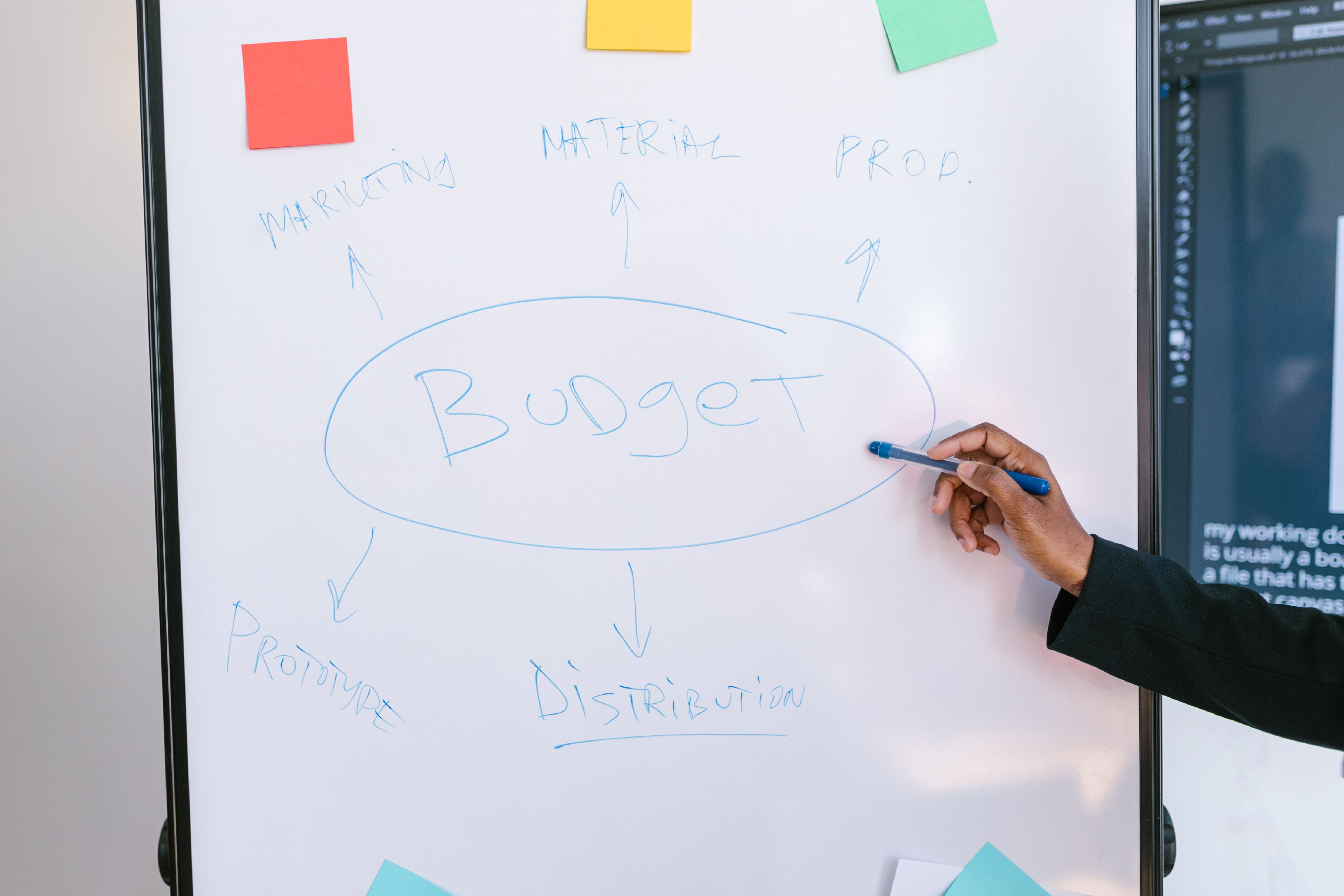
How to Navigate Shared Expenses When Moving In With Friends
Jun 06, 2026



Setting up your first home brings a wave of excitement along with some unexpected expenses. Choosing paint colors and arranging photos can feel fun, yet the price tags for even basic items often surprise people. Careful planning allows you to create a welcoming space while managing your budget wisely. You don’t have to give up comfort or style just to save money. This guide walks you through each stage of the process, offering helpful advice you can apply immediately to make your new place feel like home without overspending. With the right approach, you can enjoy both the look and feel you want.
Knowing exactly what you can afford simplifies every choice. Connect with your bank or use a free spreadsheet to list all incoming funds. Factor in rent, utilities, groceries, and a cushion for surprises. This big-picture view turns uncertainty into control.
Create a realistic savings plan that carves out money each week or month. Automate a transfer to a “moving” account so you watch your balance grow without thinking about it. You’ll thank yourself when deposit time arrives.
Focus on spots where quality meets value. Tour multiple units to compare rent, included services, and extra fees. You might discover a complex that bundles water or recycling, cutting one more bill off your list. Location matters—being a short bike ride away from work or campus saves gas or transit passes.
Consider splitting rent with a roommate. Shared utilities halve those bills, and you get company. Make sure you list ground rules up front: payment due dates, visitor policies, cleaning schedules. Clear communication prevents conflicts and unexpected costs down the line.
You don’t need a pricey moving company for a smooth day. Grab help from friends or local barter groups in exchange for a home-cooked dinner or coffee. You’ll enjoy company plus a lower bill.
Look for cost-free or low-cost supplies before buying new boxes. Ask at grocery stores or post online to score free packing materials. When you reuse boxes and tape, you cut moving expenses by up to 30 percent.
After you lock in your lease, call utility providers right away to avoid overlap fees. Confirm the exact turn-on date and meter readings. A late-night service call can cost more, so aim for standard business hours.
Shop for internet plans with real speed needs in mind. If you mostly stream shows and browse, a mid-tier package saves you up to $20 per month over premium options. Many providers waive installation charges if you sign a one-year agreement.
Outfit your place without overspending on basics. Quality matters, but that doesn’t mean paying top dollar at every big-box store. Learn where markdowns happen. Some retailers slash prices midweek or at the end of the month.
Pick stores known for budget finds, and scan clearance racks before full-price aisles. A little planning goes a long way toward creating a cozy home on a tight budget.
Once you settle in, keep saving by tracking your spending every month. Use free apps or a simple notebook. Seeing where your dollars go helps you spot subscriptions you don’t use and habits you can tweak. You might realize you grab coffee out three times a week—shopping ahead for a bag of beans and brewing at home can save $50 a month.
Find low-cost ways to entertain. Host potlucks instead of dining out or arrange game nights with the classics you already own. Even small shifts add up, giving you breathing room in your budget for bigger goals, like travel or a new laptop.
Plan your budget early, find good deals, and watch your expenses to make moving into your first place affordable and achievable.

Choosing your first car often brings a mix of excitement and nerves. Finding a vehicle that is dependable, safe, and affordable becomes a top priority during this...
May 02, 2026

Finding ways to stay active while managing expenses can seem challenging, but you can achieve your fitness goals without spending a lot of money. You don't have to rely...
Jun 24, 2026

Staying active doesn’t have to mean signing up for a pricey gym membership or sticking to the same old routines. Many people discover that fun and rewarding exercise...
Jul 24, 2026
Learning how to build a strong credit history becomes much easier when you apply clear budgeting habits to your everyday life. By taking charge of your finances, you set...
Jul 14, 2026
Balancing your finances carefully opens up plenty of room for enjoyment and personal interests, even when money feels limited. You can savor days out, explore new...
Jun 10, 2026

Many people start a side project that grows from a personal interest or talent—like designing hand-painted mugs after work, offering math help on *TutorMe* , or picking...
Jul 21, 2026

Securing your first freelance project brings a rush of accomplishment—finishing the job and receiving payment is a milestone worth celebrating. To go beyond that early...
Aug 05, 2026

Beginning therapy on your own may seem unfamiliar and a bit overwhelming at first. Questions often arise about how to get started, which methods will suit you best, and...
Jun 15, 2026
Many people face challenges when searching for affordable therapy, particularly when juggling work, school, or family responsibilities. Questions often come up about the...
Aug 02, 2026
Sorting through a pile of medical bills often creates stress, particularly when you have other responsibilities like work or school. Taking control becomes easier when...
Apr 25, 2026

Selecting an employee benefits package often influences your financial well-being well into the future. Starting a new position brings a wave of new information,...
May 23, 2026

Starting out in a new profession often brings a mix of excitement and uncertainty, as you try to figure out which direction to take. The choices you make early on can...
Jul 05, 2026

Crafting a memorable presence begins with recognizing the qualities that set you apart from others. Your unique combination of skills, core values, and life experiences...
Jun 28, 2026

Life sometimes throws unexpected challenges our way, making it tough to find your footing again. Taking small, consistent steps can make the process of recovery feel...
Jun 21, 2026