
How to Beat the Quarter-Life Crisis With Resilience Strategies
Mar 04, 2026



Life sometimes throws unexpected challenges our way, making it tough to find your footing again. Taking small, consistent steps can make the process of recovery feel less overwhelming. Resilience involves getting back up after setbacks and slowly regaining your sense of confidence. This process requires patience and steady effort, as real progress rarely happens all at once. By introducing a few simple habits into your daily routine, you can gradually restore your energy and rebuild your self-assurance. Explore these six practical habits that support you as you navigate difficult times and move forward with renewed strength.
Each habit provides a straightforward way to reset your mindset after disappointment. Pick one or two to start, then add more as you gain momentum. You’ll find that small wins accumulate quickly.
Taking quick pauses helps you stay grounded when stress runs high. You don’t need long sessions or fancy apps—just a few focused moments. This habit clears mental clutter and keeps your emotions in check.
Try this simple routine:
Repeat these steps whenever you feel overwhelmed—during study breaks, before a tough conversation, or between errands. Over time, your mind will learn to switch gears more smoothly.
Writing down things you appreciate changes how you see setbacks. Instead of focusing on what went wrong, you highlight what still feels good. This habit rewires your brain to notice more positives.
Use prompts like these to get started:
Carry a notebook or use your phone’s notes feature. Spend just five minutes each evening jotting down answers. Over days and weeks, you will build a record of hope and progress.
Big goals can feel overwhelming after a setback. Breaking them into micro-goals makes progress clear. You boost your confidence by ticking off small tasks instead of staring at a huge deadline.
First, choose one goal you care about—studying a subject, improving a workout, or finding a new hobby. Then list three tiny steps you can finish today. For example, read one page of a textbook, stretch for five minutes, or watch a brief tutorial.
Finish those steps, then celebrate quietly—a fist pump, a short walk, or checking off a box. That positive feedback builds momentum faster than aiming straight for the finish line.
Feeling connected keeps you from sinking into negative thoughts. Talk with friends, family members, mentors, or classmates who listen without judgment. You don’t have to solve big problems alone.
Reach out in small ways: ask someone about their day, share a quick text update, or invite a friend for a coffee walk. Let people know you value their perspective. Their encouragement and advice can spark fresh ideas and lift your mood.
Over time, this network becomes a safety net. When you face setbacks, you’ll know who encourages you and can help steer you back on course.
Moving your body releases chemicals that lift your mood and ease tension. You don’t have to run a marathon; simple activities make a big difference. Choose something you enjoy so you stick with it.
Ideas you can try right away include:
Schedule these sessions like appointments. Even a quick burst of movement clears your head and reminds you that you can take action when you feel stuck.
The words you say to yourself influence how you handle challenges. Replace harsh or negative thoughts with encouraging ones. This doesn’t mean ignoring real issues; it means treating yourself with kindness.
Keep a list of go-to phrases such as “I’m learning every day,” “I handled a tough moment before, I can do it again,” or “It’s okay to take a break.” When you catch yourself spiraling, pause and repeat one of these statements out loud or in your head.
Over time, this habit shifts your internal dialogue. You’ll notice self-doubt loses power and resilience starts to come naturally.
Small, consistent actions like taking brief pauses or speaking kindly to yourself create lasting progress. Begin with one habit today and gradually add more; each step brings genuine recovery.

Many people see just their outward appearance when glancing at their reflection, but confidence takes root much deeper. Lasting self-assurance comes from practicing...
Apr 11, 2026
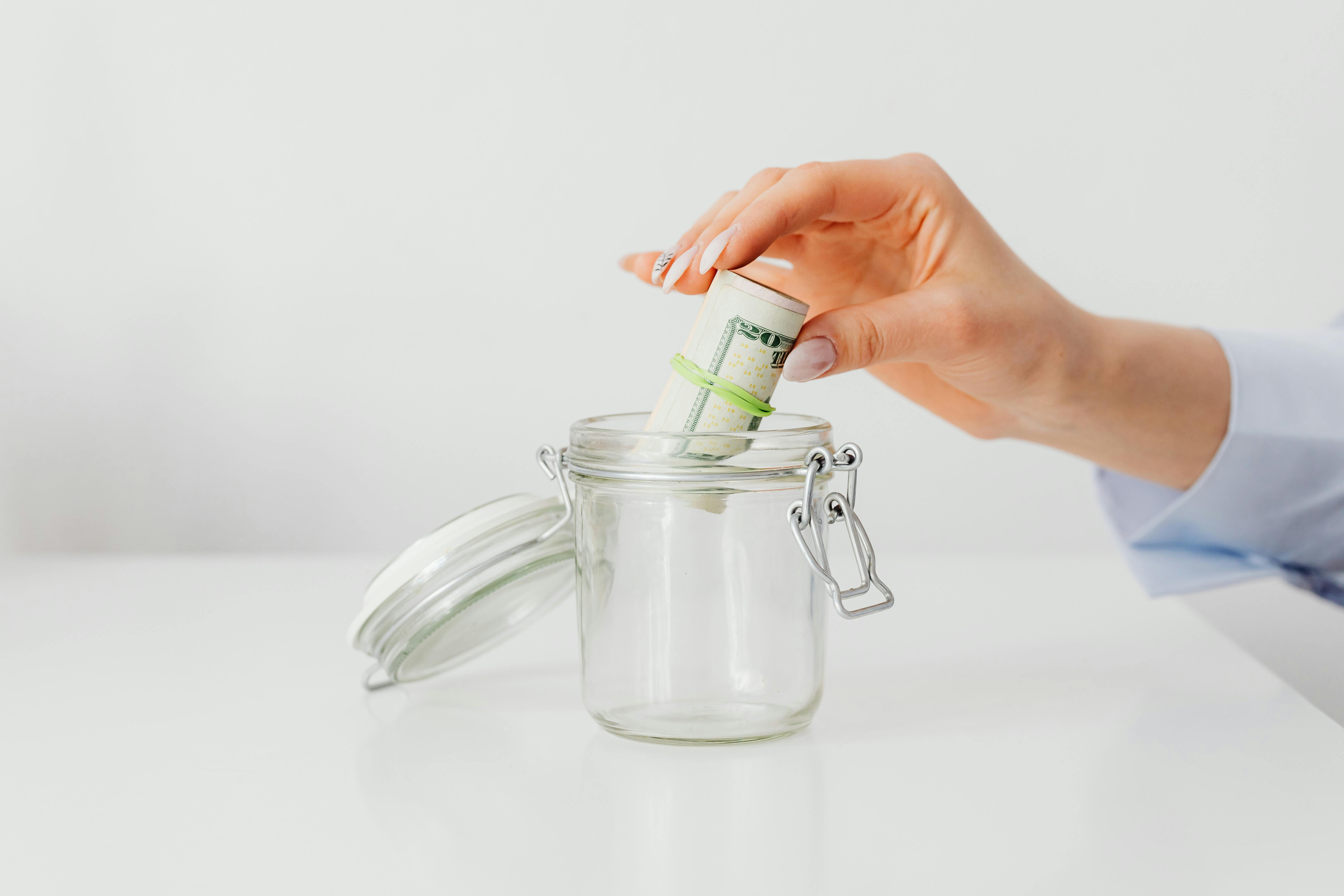
Setting aside even a small amount of money often seems impossible when every paycheck goes straight to rent, bills, and groceries. Still, having some savings on hand...
Mar 27, 2026

Securing an internship often marks the beginning of your professional journey. Each day offers new challenges and opportunities to contribute, but turning this...
Mar 13, 2026

Many people find that jobs with high stress, such as busy offices or bustling retail stores, can sap motivation and make it harder to stay focused. Gossip may circulate...
Mar 20, 2026

Many people hesitate to reconnect with former classmates, yet a simple, genuine message often leads to meaningful conversations that open new doors in your career. Begin...
Apr 15, 2026

Starting your morning with a clear and refreshed mind can set a positive tone for everything that follows. Small changes to your routine may help you avoid the rush and...
Mar 11, 2026

Building a financial vision board brings your financial goals into clear focus and makes them feel within reach. This creative process allows you to display your...
Apr 29, 2026

Balancing your finances carefully opens up plenty of room for enjoyment and personal interests, even when money feels limited. You can savor days out, explore new...
Jun 10, 2026

Taking initiative early in your career helps you notice opportunities to help and guide those around you. You can start acting like a leader even without a formal title...
May 18, 2026

Social gatherings often bring opportunities to share drinks and laughter, but enjoying these moments does not require sacrificing your well-being. You can still...
Mar 07, 2026

Building credit without a cosigner might seem challenging, but you can take effective steps to establish a solid financial foundation on your own. By starting with...
Feb 21, 2026

Creating a stronger credit profile without spending more money begins with a few simple steps. Start by requesting your free credit report from each major credit bureau...
Mar 24, 2026

Planning and preparing meals ahead of time brings a sense of order to your week. With nutritious dishes ready in your fridge, you avoid the usual morning rush and can...
Apr 07, 2026
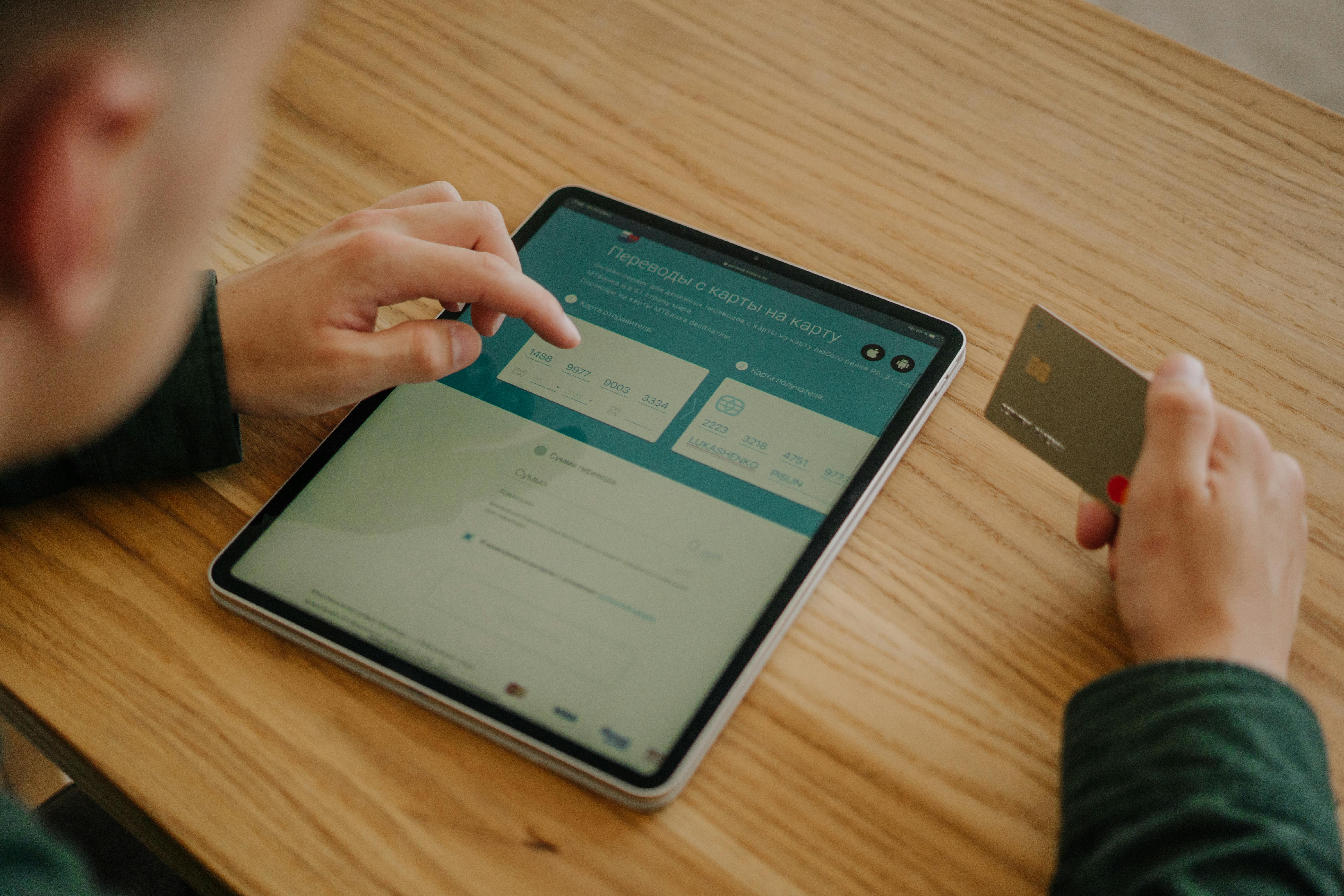
Establishing a strong credit profile takes patience and steady action, but each step brings you closer to greater financial opportunities. By making timely payments and...
Jun 02, 2026