
How to Maximize Savings When Moving Into Your First Apartment
Aug 19, 2026



Window repairs have been completed in homes like Thaddeus’s in Miami, where new hurricane-impact windows were installed, and Ms. Mendez’s Philadelphia home, where window restorations were part of repairs made at no cost. Pauline, a homeowner in northeast Las Vegas, received replacement windows and doors. These documented projects show window work in real homes; Habitat ReStore offers a different kind of help: donated building materials at below-market prices, with monthly payments coming from your payment card or lender—not from the store. (Thaddeus’s story; Pauline’s story; Ms. Mendez’s story)
Habitat ReStores are reuse stores operated by local Habitat for Humanity organizations. Their donated, constantly changing stock can include new and gently used furniture, appliances, home goods, building materials, doors and windows. Habitat describes merchandise as selling at a fraction of retail price, with sales supporting local Habitat building and repair work. No particular window or material can be promised, because stock depends on donations and changes over time. (Habitat’s ReStore information)
The available building supplies vary by location. Austin Habitat ReStore lists flooring by type—including hardwood, laminate, peel-and-stick, subfloor and tile—as well as doors. Habitat Wake’s ReStores list cabinets and flooring. Those examples can help you plan a broader repair-materials search, but they do not establish that a specific window or part is in stock at your nearest store. The local store’s policies and inventory information are the relevant checks before a trip. (Austin Habitat ReStore FAQs; Habitat Wake store policies)
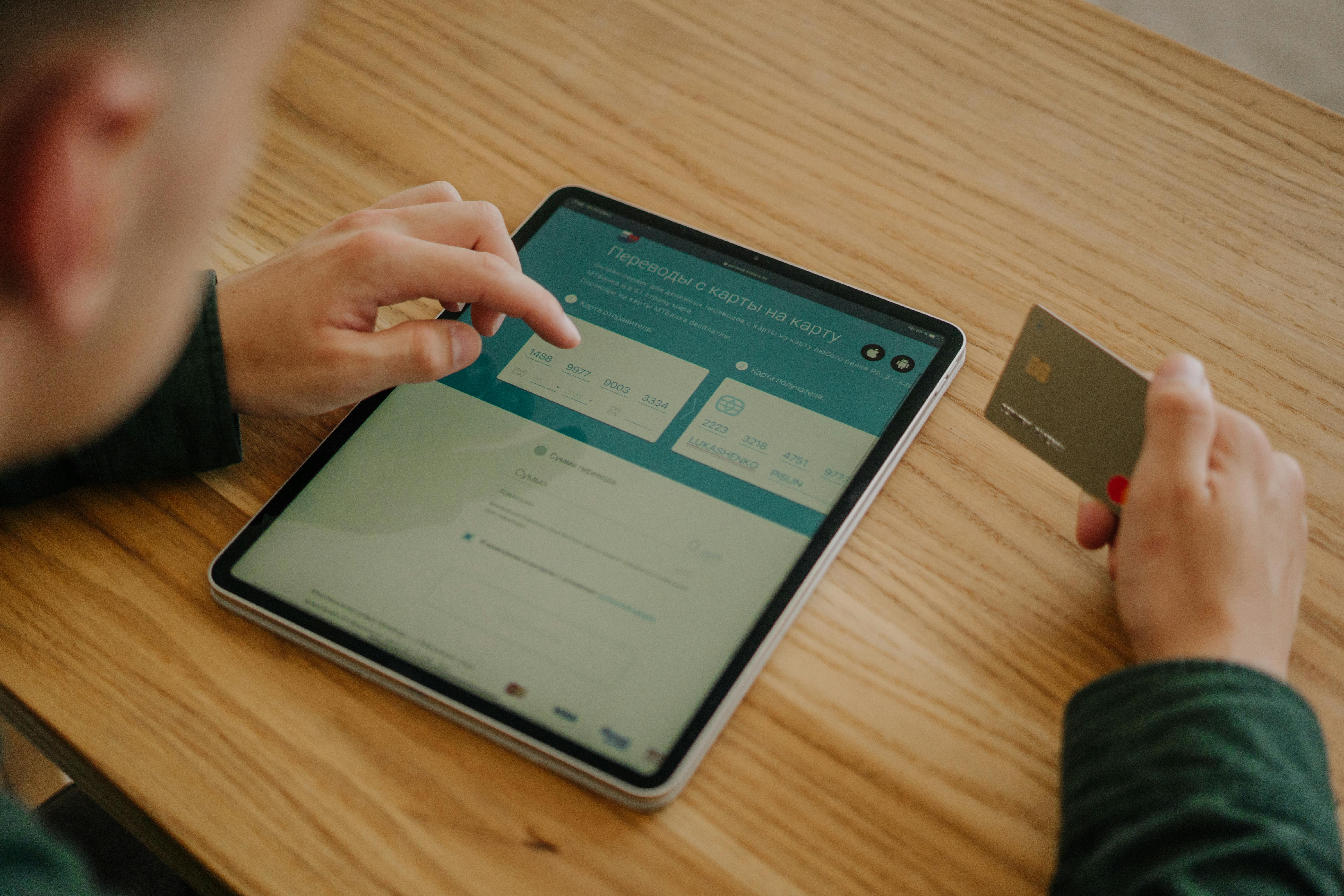
The ReStore takes payment at the till; it does not lend money or offer its own credit. Some locations accept ordinary credit cards, while accepted payment methods differ locally. For example, Austin lists all major credit cards, Apple Pay and Google Pay among its payment methods; Milwaukee lists cash and major credit cards. Monthly or installment payments come from the card or lender you use, not from Habitat. (Austin payment and return policies; Milwaukee ReStore payment policies)
Three payment options may help spread the cost, each with different terms:
Zip says, “Use Zip pretty much everywhere Visa is accepted.” Its app can create a virtual card for use through a digital wallet or as a physical card, subject to Zip’s approval and restrictions. A Pay-in-4 plan splits the purchase into four installments, with the first due at checkout; the remaining payments follow the schedule shown for the transaction. Zip’s stated origination-fee range is roughly $0.50 to $124, depending on the amount, and the fee is shown at checkout. (Zip: how it works; Zip’s Visa-acceptance wording)
A credit card already in your wallet can spread a materials bill across monthly billing cycles, but any balance carried forward is subject to the card’s APR and terms. For a few hundred dollars of materials, this may be the simplest payment setup if your card is accepted and you understand how interest and repayment apply. The ReStore receives payment at checkout; your card issuer handles the account and billing.
For a larger materials bill, a HUD-approved lender may offer an FHA Title I Property Improvement Loan. HUD says the loan can cover materials and labor when a contractor does the work, or materials only for do-it-yourself work. HUD presents it as an option when home equity is limited. For a DIY project, the materials-only option assumes you have the necessary skills and experience; understand the costs and repayment terms before proceeding. (HUD home-improvement financing information)
Second-hand stock can have shorter, store-specific return windows than many retail purchases. Review the location’s policy and keep the receipt and tags where required. Examples include:
These are examples, not a single national return policy. Check the policy for the exact ReStore location and the item before paying. (Milwaukee return and hold policy; Habitat Wake return policy; Austin Seven-Day Guarantee)
A shelf price is only one part of the project cost. Compare it with a current retail quote for the same specification, including dimensions, material and condition. Then list what you still need to buy new, such as fixings, underlayment, flashing, adhesive or trim, and price labor separately. For a DIY repair, account for the tools and skills the work requires rather than treating a low materials price as the full project cost.
Measure before shopping and bring the old window unit’s dimensions. Check whether the available material matches the opening and whether any needed components are included. Since donations and stock change, a price comparison is most useful when it is based on the actual item and a comparable retail quote—not a general assumption that every ReStore purchase costs less than every alternative.
For a homeowner who owns and occupies a single-family home, owns no second property, is current on property taxes and falls below the local income threshold, Rebuilding Together is a no-cost repair option to check alongside materials shopping. Its national affiliate map directs homeowners to local providers; the application process and services can vary by affiliate. The repair pathway described here carries no lien and nothing to repay, subject to local eligibility and program terms. (Rebuilding Together affiliate map)
The three linked cases show different forms of window work: Thaddeus, 63, in Miami’s Village West Coconut Grove, received a new roof and hurricane-impact windows through Rebuilding Together Miami-Dade and the Wells Fargo Builds program. Pauline, 72, received window and door replacement among other home repairs in northeast Las Vegas in March 2026. Ms. Mendez, who had lived in her Philadelphia home for 22 years with her daughter and four grandchildren, received window restorations alongside flooring, handrails and ceiling work. Each story describes repairs provided at no cost to the homeowner; local program scope and eligibility still depend on the affiliate.
The payment arrangement, materials and return policy all depend on the particular store and payment provider. Habitat ReStore’s national location page can identify a nearby store, while its local policies page can explain stock information, accepted payment methods and returns. The Rebuilding Together affiliate map is also a way to check whether a no-cost repair program serves your area. A practical sequence is to review that no-cost possibility first, then compare the exact ReStore materials and payment terms with the complete cost of the window repair. (Find a Habitat ReStore; Rebuilding Together affiliate map)

Many people face challenges when searching for affordable therapy, particularly when juggling work, school, or family responsibilities. Questions often come up about the...
Aug 02, 2026
Establishing a strong credit profile takes patience and steady action, but each step brings you closer to greater financial opportunities. By making timely payments and...
Jun 02, 2026

Finding ways to stay active while managing expenses can seem challenging, but you can achieve your fitness goals without spending a lot of money. You don't have to rely...
Jun 24, 2026

Busy schedules often make it difficult to prepare healthy dinners while sticking to a budget. After long hours at work or school, cooking can seem overwhelming and may...
Aug 30, 2026

Balancing your finances carefully opens up plenty of room for enjoyment and personal interests, even when money feels limited. You can savor days out, explore new...
Jun 10, 2026

Many people feel a rush of nerves when they enter a room full of candidates, all eager to impress. The challenge lies in making a positive impression while showing...
May 27, 2026
Beginning therapy on your own may seem unfamiliar and a bit overwhelming at first. Questions often arise about how to get started, which methods will suit you best, and...
Jun 15, 2026

Life sometimes throws unexpected challenges our way, making it tough to find your footing again. Taking small, consistent steps can make the process of recovery feel...
Jun 21, 2026

Crafting a memorable presence begins with recognizing the qualities that set you apart from others. Your unique combination of skills, core values, and life experiences...
Jun 28, 2026

Preparing for a virtual performance review often brings a mix of anticipation and nerves. You aim to highlight your accomplishments while making a strong impression on...
Jul 01, 2026

Starting out in a new profession often brings a mix of excitement and uncertainty, as you try to figure out which direction to take. The choices you make early on can...
Jul 05, 2026

Many people want to make the most of a night out while still keeping their finances on track. You can have fun and still make steady progress toward your financial goals...
Jul 10, 2026
Learning how to build a strong credit history becomes much easier when you apply clear budgeting habits to your everyday life. By taking charge of your finances, you set...
Jul 14, 2026

Many people start a side project that grows from a personal interest or talent—like designing hand-painted mugs after work, offering math help on *TutorMe* , or picking...
Jul 21, 2026