
7 Ways to Quickly Build Leadership Skills Before Your First Promotion
May 18, 2026



Managing the demands of a full-time job alongside graduate studies often requires careful coordination and self-awareness. You face the challenge of meeting professional deadlines while also completing assignments for class, all within the same busy week. Balancing these responsibilities often leaves little room for relaxation or social activities. By looking closely at your commitments, you gain a better understanding of how to allocate your time and energy effectively. This honest assessment allows you to develop a plan that keeps your work and academic tasks organized, helping you avoid burnout and maintain steady progress toward your goals.
Many people begin by underestimating the overlap between work and school. When you map out your weekly routines, you spot pockets of time you might overlook—like early mornings or the lunch hour. That discovery gives you room to slot in reading or project work without cutting into rest or downtime. Setting realistic goals early protects you from overwhelm later.
Start by making two lists: one for job tasks and one for academic tasks. List every meeting, assignment, or project that demands your attention. Seeing these obligations side by side highlights where conflicts might appear. You won’t feel blindsided when a big report and a midterm coincide, because you already noted the dates.
Next, assign each task a rough time estimate. Writing “team meeting” without an hourly tag leaves you guessing. When you commit to “team meeting—1 hour,” you know exactly where that block goes in your calendar. This step also reveals tasks that stretch longer than expected, so you can refine your estimates over time and avoid overbooking yourself.
Not all study methods give you the same returns. Focus on active learning practices that require you to engage directly with material. For example, create practice quizzes or explain a concept to a friend. Teaching sharpens your grasp more reliably than passive reading.
Draw concept maps on large paper or a whiteboard to connect ideas visually. Linking theories and data points in a single diagram helps your brain see the “big picture.” It becomes easier to recall details during exams because they sit within an organized framework rather than floating independently.
Use the Pomodoro approach to sprinkle short, intense study bursts across your free hours. Even five or ten minutes of focused work—when summed over several instances—equates to a full study session. This microlearning technique fits around coffee breaks or short commutes, turning small windows into valuable review time.
Record brief audio summaries of key readings and replay them while commuting or during daily chores. Hearing your own voice restate important ideas embeds them more deeply than silent reading alone. You’ll reinforce concepts while you walk, cook, or drive.
Taking care of your mind and body helps everything else run more smoothly. Aim for a sleep routine that matches your natural energy peaks whenever possible. That might mean going to bed earlier on nights before big meetings or exams, then adjusting your morning routine accordingly.
Include short movement breaks throughout your day. Stretch by your desk, take a quick walk around the block, or do two minutes of simple exercises. Physical activity boosts focus and helps you switch off from persistent mental loops about deadlines.
Keep your support system close. Share your schedule and challenges with a friend or mentor. When you feel stuck or overwhelmed, a quick chat can offer fresh ideas and emotional lift. It also reminds you that others have balanced similar loads successfully.
Build small rewards into your schedule. After finishing a tough assignment or a busy work week, treat yourself to a favorite snack, an episode of a show, or a short outing. Celebrating progress—no matter how small—keeps your motivation alive.
Establish a manageable routine by planning your obligations, exploring flexible work options, and using hands-on study methods. This helps you complete projects confidently, understand material better, and maintain control over your responsibilities.

Many people feel a rush of nerves when they enter a room full of candidates, all eager to impress. The challenge lies in making a positive impression while showing...
May 27, 2026

Securing your first freelance project brings a rush of accomplishment—finishing the job and receiving payment is a milestone worth celebrating. To go beyond that early...
Aug 05, 2026

Starting out in a new profession often brings a mix of excitement and uncertainty, as you try to figure out which direction to take. The choices you make early on can...
Jul 05, 2026

Preparing for a virtual performance review often brings a mix of anticipation and nerves. You aim to highlight your accomplishments while making a strong impression on...
Jul 01, 2026

Unexpected changes at work often catch people off guard and leave a lasting impact. Losing a job offer, getting passed over for a promotion, or watching a long-term...
May 07, 2026

Life sometimes throws unexpected challenges our way, making it tough to find your footing again. Taking small, consistent steps can make the process of recovery feel...
Jun 21, 2026

Crafting a memorable presence begins with recognizing the qualities that set you apart from others. Your unique combination of skills, core values, and life experiences...
Jun 28, 2026

Creative work comes to life in a portfolio that truly reflects your abilities and personal style. More than a simple collection of past projects, a memorable portfolio...
Apr 22, 2026

Job postings often pack a lot of information into just a few lines, making them seem almost like puzzles waiting to be solved. Employers outline essential...
Apr 18, 2026

Finding purpose at work starts when you understand what genuinely excites and drives you. Consider the activities that capture your attention and the projects where you...
Aug 09, 2026

Sorting through a pile of medical bills often creates stress, particularly when you have other responsibilities like work or school. Taking control becomes easier when...
Apr 25, 2026

Staying active doesn’t have to mean signing up for a pricey gym membership or sticking to the same old routines. Many people discover that fun and rewarding exercise...
Jul 24, 2026

Choosing your first car often brings a mix of excitement and nerves. Finding a vehicle that is dependable, safe, and affordable becomes a top priority during this...
May 02, 2026
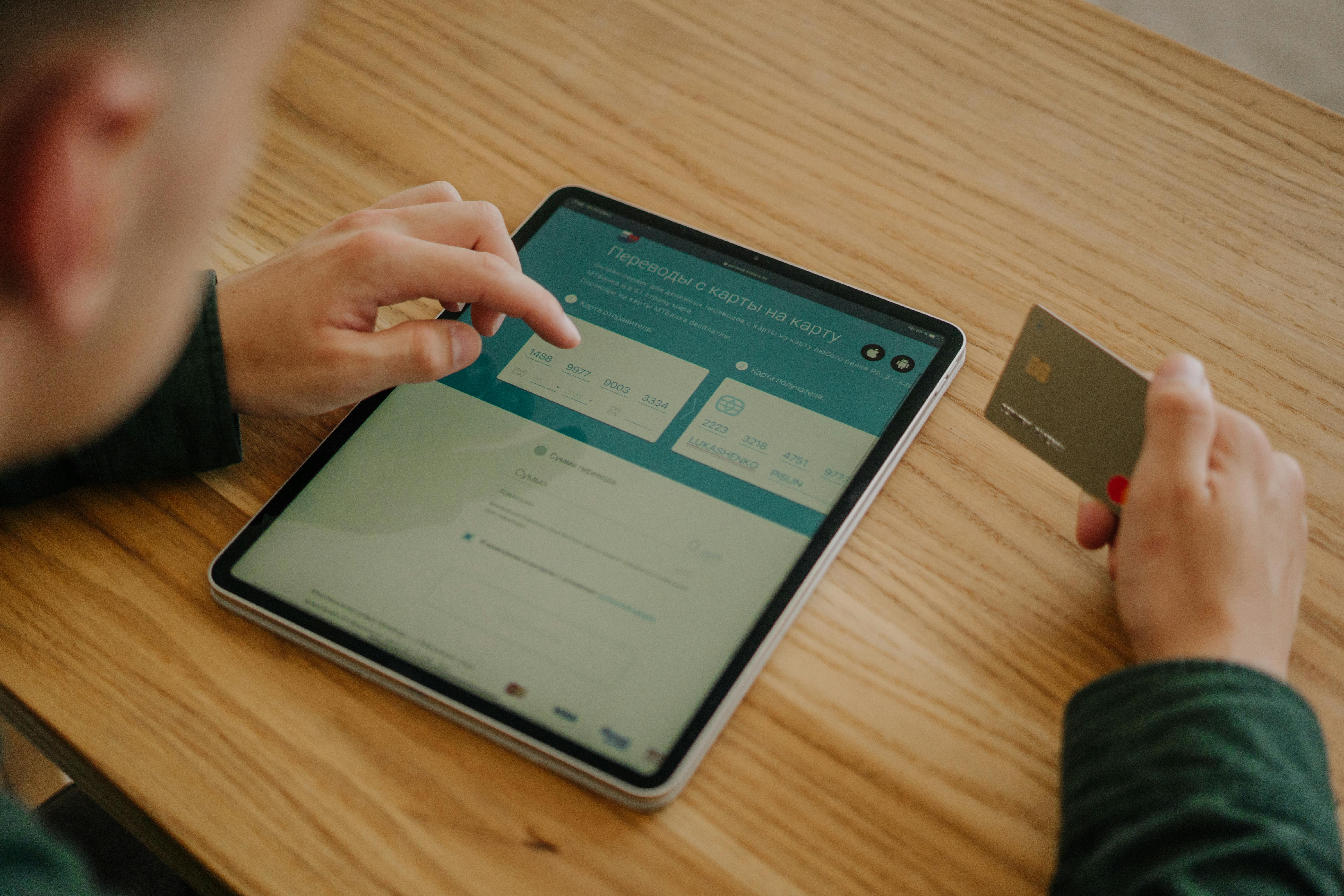
Establishing a strong credit profile takes patience and steady action, but each step brings you closer to greater financial opportunities. By making timely payments and...
Jun 02, 2026